What is RSDS? How it is connected with Fibromyalgia
Reflex Sympathetic Dystrophy Syndrome (RSDS) and fibromyalgia are two very closely related disorders that often get mistaken for each other. RSDS is more commonly known as “complex regional pain syndrome.
When the two disorders meet in one person, life can become very difficult and painful. While there are treatments for both disorders, understanding their differences is important in helping you make sure that the source of your pain is diagnosed correctly as the treatments for each are radically different.
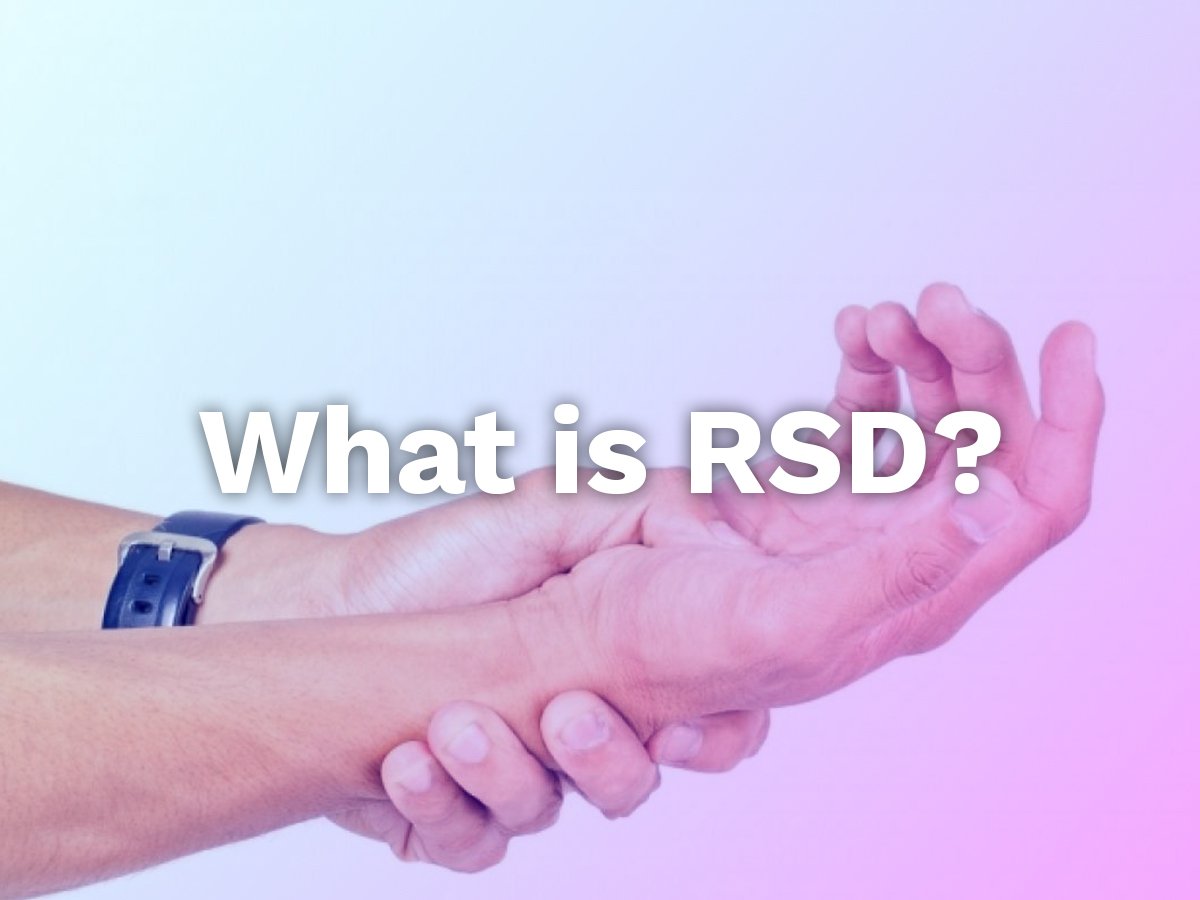
What is RSDS?
Regional Sympathetic Dystrophy Syndrome is a very rare disorder of the sympathetic nervous system. The symptom cluster for RSDS includes joint pain, nerve pain, muscle stiffness, difficulty sleeping, disorientation, changes in hair and nail growth, and discoloration of skin in patches.
It is also known as Complex Regional pain Syndrome. There is no known cause for RSDS, although there is a recognized genetic component that has just been discovered. The treatment for RSDS included medication, pain management, nerve blocks, and disruptive surgery to kill nerves in a specific region of the body.
Who is at risk?
Anyone can develop RSDS, although it is more common in those who have had a family member who has had the disorder as well. It is thought that severe physical trauma and traumatic brain injury can also raise your risk of developing the syndrome. There is some slight evidence that those with fibromyalgia also may be at risk for developing the syndrome as well.
What is fibromyalgia?
Fibromyalgia is a chronic disorder that is characterized by a cluster of symptoms that are most recognizable by the presence of pervasive muscle and joint pain, plus muscle stiffness.
Other symptoms may include sleep disturbances, IBS, depression, recurrent yeast infections, chronic cold and flu susceptibility and cervical stenosis. It is a progressive disorder, but not a terminal disease.
It can develop any time after the age of 18, although there are some cases where children have developed fibromyalgia. It can occur in both men and women, although it is more frequently diagnosed in women. Symptoms are lifelong but tend to abate after menopause.
Why is it so hard to diagnose these disorders?
Diagnosing fibromyalgia has been very controversial over the years because it has lacked definitive tests and was based on patient reporting of symptoms.
Recently, two new findings may be leading to a series of tests – a blood test for fibromyalgia and brain image scan for it too – that could wind up making diagnosis much easier.

Click Here to Visit the Store and find Much
Diagnosing RSDS has many of the same issues as fibromyalgia, but there are some extensive neuro-testing and observational symptoms that are unique to the disorder that can make it easier to spot.
That said, one of the difficulties in diagnosing RSDS is that many physicians are not familiar with the syndrome and therefore are less likely to perform the diagnostic tests.
Reflex sympathetic dystrophy syndrome and fibromyalgia
There is a growing body of evidence that suggests that those with fibromyalgia may also be at a higher risk for reflex sympathetic dystrophy syndrome (RSDS).
It is thought that the stress of the chronic pain and recurring instances of inflammation may lead to the type of sympathetic nervous system disruption that is experienced by those with RSDS.
Just having fibromyalgia does not mean that you will also acquire RSDS. The diet and lifestyle treatments, plus pain and anti-inflammatory medications used to treat fibromyalgia can very well help prevent the disorder related trauma to the nerve system that would cause the syndrome to develop.
If you are diagnosed with both, you must talk to your doctor about possible courses of treatment.
What to do if your doctor says you have both?
If your doctor returns a diagnosis of both reflex sympathetic dystrophy syndrome (RSDS) and fibromyalgia you have to become very proactive in your care and treatment.
You and your physician are going to have to engage in a process of identifying which symptoms belong with which diagnosis in your disorders, and which are shared. This is essential in making sure that you are trying what will be the most effective form of treatment possible for relief.
Some of the more aggressive treatments for RSDS, such as nerve disabling, are not appropriate for handling pain related to fibromyalgia. While you are figuring out the best approach, it is known that for both diagnoses being proactive with lifestyle changes can help greatly.
Being proactive with diet and lifestyle changes
Choose to learn more about the foods you should and should not eat to help control inflammation and other symptoms associated with both RSDS and fibromyalgia. Avoiding foods like the nightshade plants, and additives such as NutraSweet and aspartame are known to help reduce inflammation.
You also need to explore alternative treatments. Some of the treatments such as acupuncture have successfully relieved pain and inflammation for both conditions. Also, getting active is a must.
The more the joints and muscles move the more the body can heal itself and help you to manage pain by releasing appropriate pain controlling hormones. You may need to go on prescribed pain medication in order to begin to build the habit of exercise.
Understanding the goal of pain medications
Pain medication isn’t meant to take away your pain, it is meant to help lower your pain to a more tolerable level. Too much pain medication can cause even worse problems than the original disorder.
The best cou Hirse of action is to take enough medication to make pain manageable so you can begin to get active again. Physical activity remains the best way to manage muscle, joint, and nerve pain.
Finding ways to improve your quality of life
Whether you have both reflex sympathetic dystrophy syndrome (RSDS) and fibromyalgia, or just one – you have to also be proactive in making sure you are still engaging with life.
- Chronic pain, depression, and isolation are a common triad. Make an effort to stay connected. Join support groups. Never give up. Chronic pain is something you can learn to live with and return to enjoying life too.
What Is Reflex Sympathetic Dystrophy Syndrome?
Reflex sympathetic dystrophy syndrome (RSD) is a disorder that causes lasting pain, usually in an arm or leg, and it shows up after an injury, stroke, or even heart attack. But the severity of pain is typically worse than the original injury itself. Doctors don’t know exactly what causes it, but they are able to treat many cases.
The term reflex sympathetic dystrophy syndrome is actually not a name that doctors use anymore. It’s an older term used to describe one form of Complex Regional Pain Syndrome (CRPS). RSD is sometimes called Type I CRPS, and it’s caused by injury to tissue with no related nerve damage.
What Causes RSD?
Doctors think the pain caused by RSD comes from problems in your sympathetic nervous system. Your sympathetic nervous system controls blood flow movements that help regulate your heart rate and blood pressure.
When you get hurt, your sympathetic nervous system tells your blood vessels to get smaller so you don’t lose too much blood at your injury site. Later, it tells them to open back up so blood can get to damaged tissue and repair it.
Feature
When you have RSD, your sympathetic nervous system gets mixed signals. It turns on after an injury, but doesn’t turn back off. This causes a lot of pain and swelling at your injury site.
Sometimes, you can get RSD even if you haven’t had an injury, although it’s not as common.
RSD is a little more typical in women than in men. Children can get it, too, but usually it shows up between ages 30 and 60.
Symptoms
When you get RSD, your symptoms may show up slowly. You may have pain first, and then it may get worse over time. You may not realize your pain is abnormal at first.
The types of injuries that can cause RSD include:
- Amputation
- Bruises
- Burns
- Cuts
- Fractures
- Minor surgery
- Needle sticks
- Radiation therapy
- Sprains
It’s most common to get RSD in your arm, shoulder, leg, or hip. Usually the pain spreads beyond your injury site. In some cases, symptoms can spread to other parts of your body, too.
RSD can also affect your immune system. This can cause:
- Redness
- Skin that’s warm to the touch around the injury
- Swelling
The pain you get with RSD is usually constant and severe. Many people
describe RSD pain as:
- Aching
- Burning
- Cold
- Deep
- Throbbing
Your skin may also feel sensitive when you do things that don’t normally hurt it, like taking a shower. Or it might hurt just to wear your clothes.
Diagnosis
Often, doctors don’t know your pain is being caused by RSD until you’ve had it for some time. When pain doesn’t go away, or is more severe than it should be for your type of injury, it can be the first clue that it could be RSD.
There’s no single test that can tell your doctor whether you have RSD. Instead, they’ll rely on a physical exam and your medical history information. There are also a few tests that can provide clues to see if you have certain signs of the condition. These include:
Bone scan. This test can detect if any of your bones are wearing away at the ends or whether there are issues with regular blood flow.
MRI. Your doctor might order an MRI to look inside your body, specifically at your tissues, for noticeable changes.
Sweat test. This test can tell your doctor if you sweat more on one side of your body than the other.
Thermography test. This sympathetic nervous system test checks to see if the temperature or blood flow is different at your injury site than in other parts of your body.
X-rays. These are typically ordered if your syndrome is in later stages to look for mineral loss in your bones.
Treatment
Early detection is key in RSD treatment. The earlier you’re able to catch it, the better your treatment will work. Some cases of RSD don’t respond to treatment. RSD doesn’t have a cure, but it’s possible to recover from many of the symptoms